🩺 Health🥇 Toplijst🗳 20 votes
Which approach to looking after your gut health resonates most with you?
Gut health has become one of the most talked-about topics in UK wellness circles, with everyone from NHS dietitians to influencers weighing in. But with so much advice out there, which approach actually feels right for how you live?
Put the items in your preferred order.

A
Fermented Foods
Loading up on naturally fermented foods like live yoghurt, sauerkraut, and kefir is one of the most evidence-backed ways to support your gut microbiome. It's ancient wisdom that's finally getting the science to back it up.
B
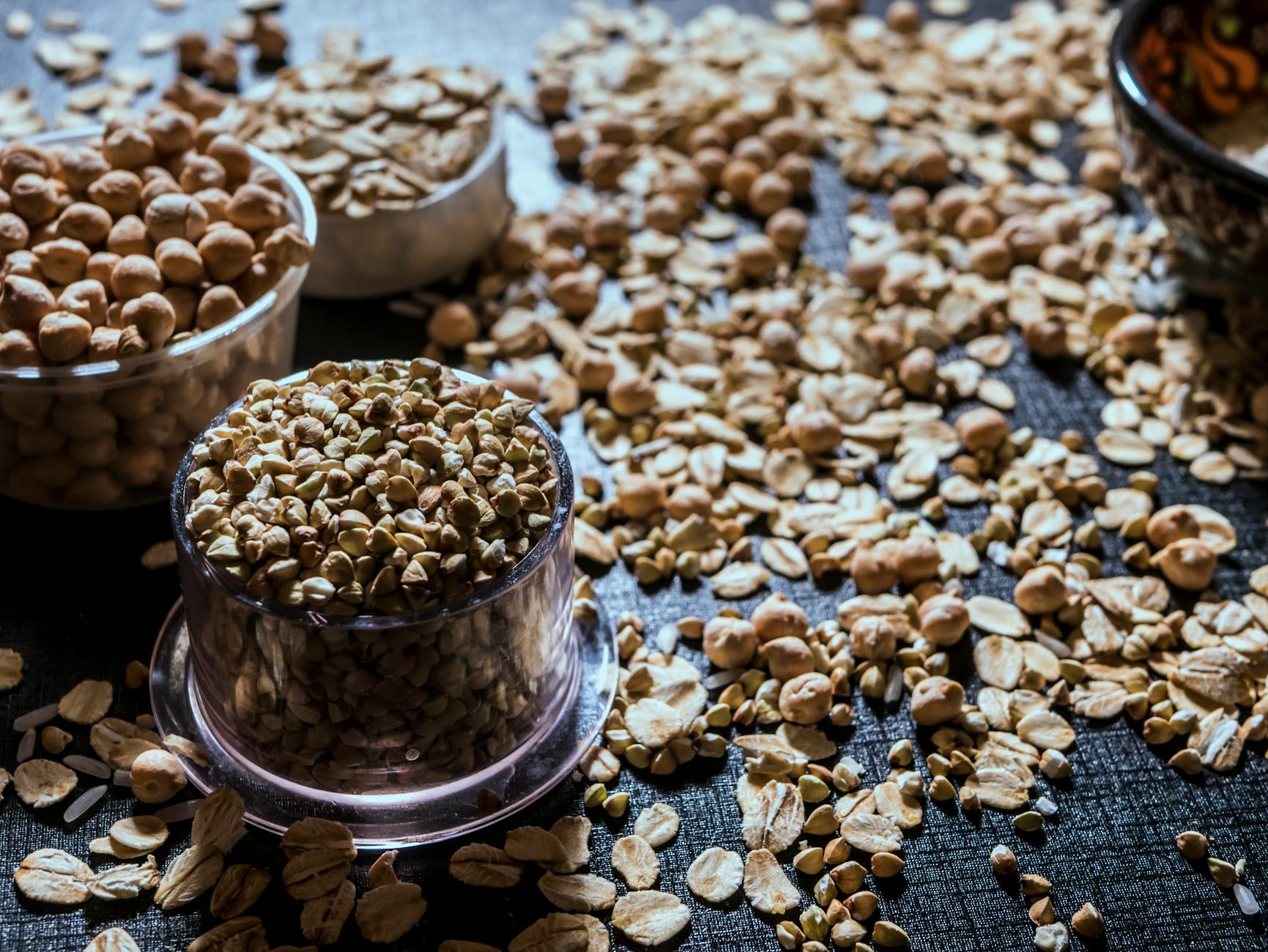
High-Fibre Eating
The idea of eating 30 different plant varieties a week — popularised by Professor Tim Spector and the ZOE study — has shifted how many Brits think about fibre. It's less about restriction and more about variety and abundance.

C
Cutting Back on Ultra-Processed Food
Ultra-processed foods make up nearly 60% of the average British diet, and growing research links them to poor gut health and inflammation. Stepping away from the convenience aisle is simple in theory, but genuinely hard in practice.

D
Mindful Eating
The gut-brain axis is real — stress and rushed eating can wreak havoc on digestion. Mindful eating encourages chewing properly, eating without screens, and tuning in to hunger and fullness cues.

E
Prebiotic and Probiotic Supplements
The UK supplement market for gut health is booming, with probiotic capsules now a staple in Boots and Holland & Barrett. The science is still catching up, but many people swear by them for reducing bloating and improving regularity.
Drag the photo to reorder