📜 History🥇 Toplijst🗳 19 votes
Which British industrial revolution innovation truly reshaped daily life the most?
The factories, mills and rails of the 18th and 19th centuries dragged Britain into modernity. Some breakthroughs still echo in how we live, work and travel today.
Put the items in your preferred order.
A
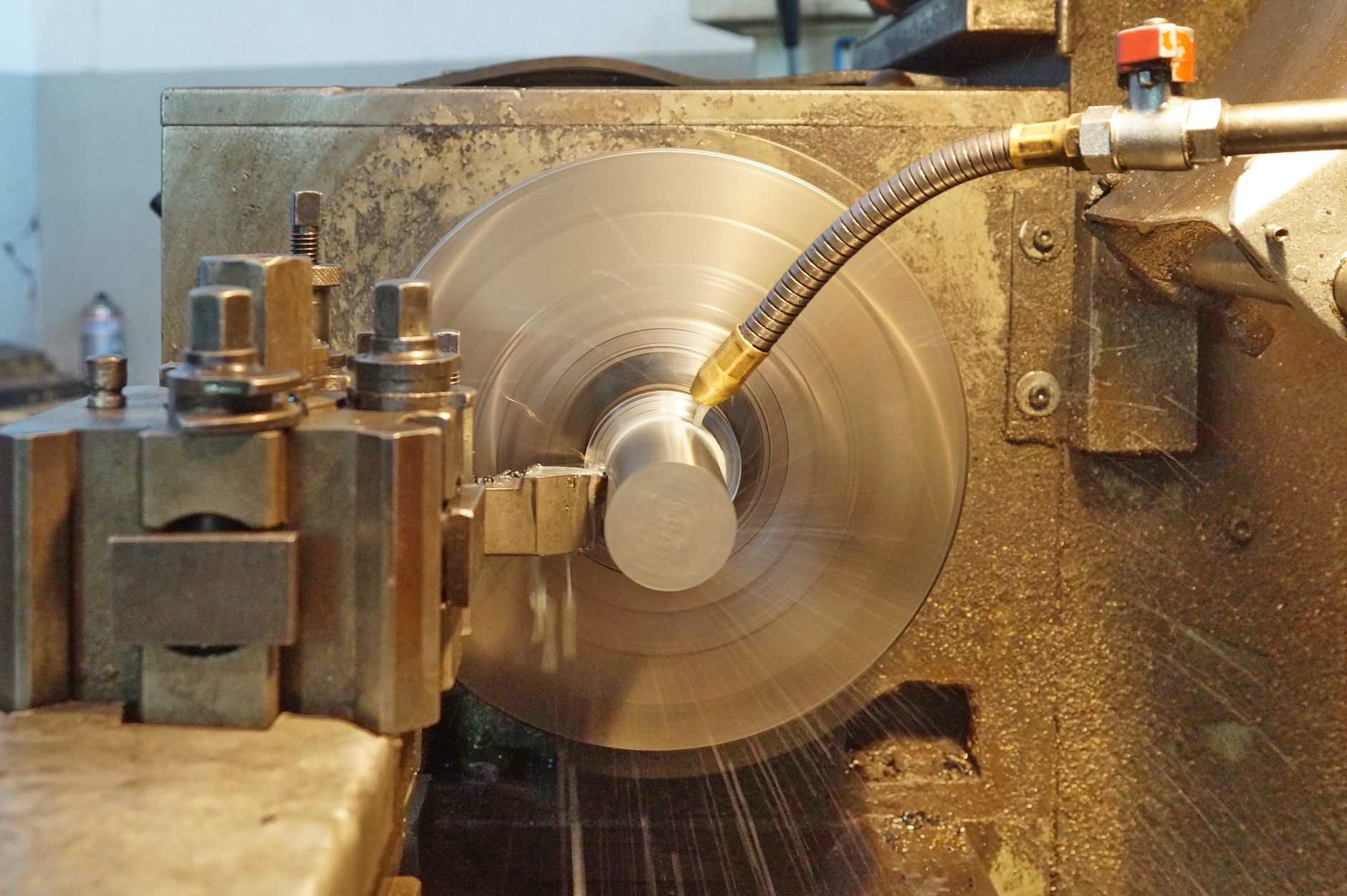
The Spinning Jenny
Invented around 1764, it multiplied a single spinner's output and turned cottage industry into mass production, paving the way for the mill towns of Lancashire.
B
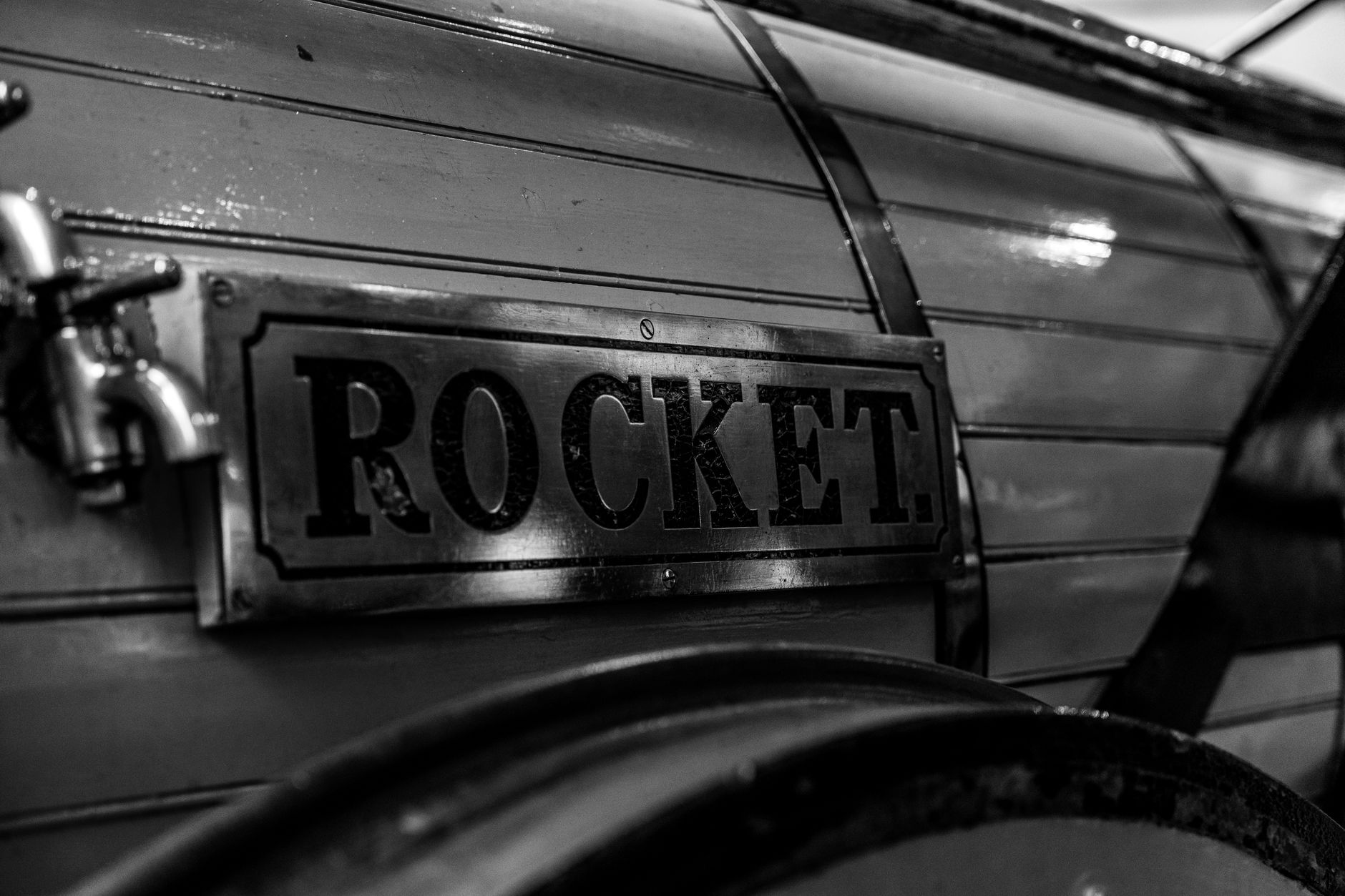
Stephenson's Rocket
Winning the Rainhill Trials in 1829, Rocket proved steam rail was viable and triggered the Victorian railway boom that stitched Britain together.

C
Watt's Improved Steam Engine
James Watt's separate condenser made steam engines vastly more efficient, powering mines, mills and eventually transport across the empire.
D
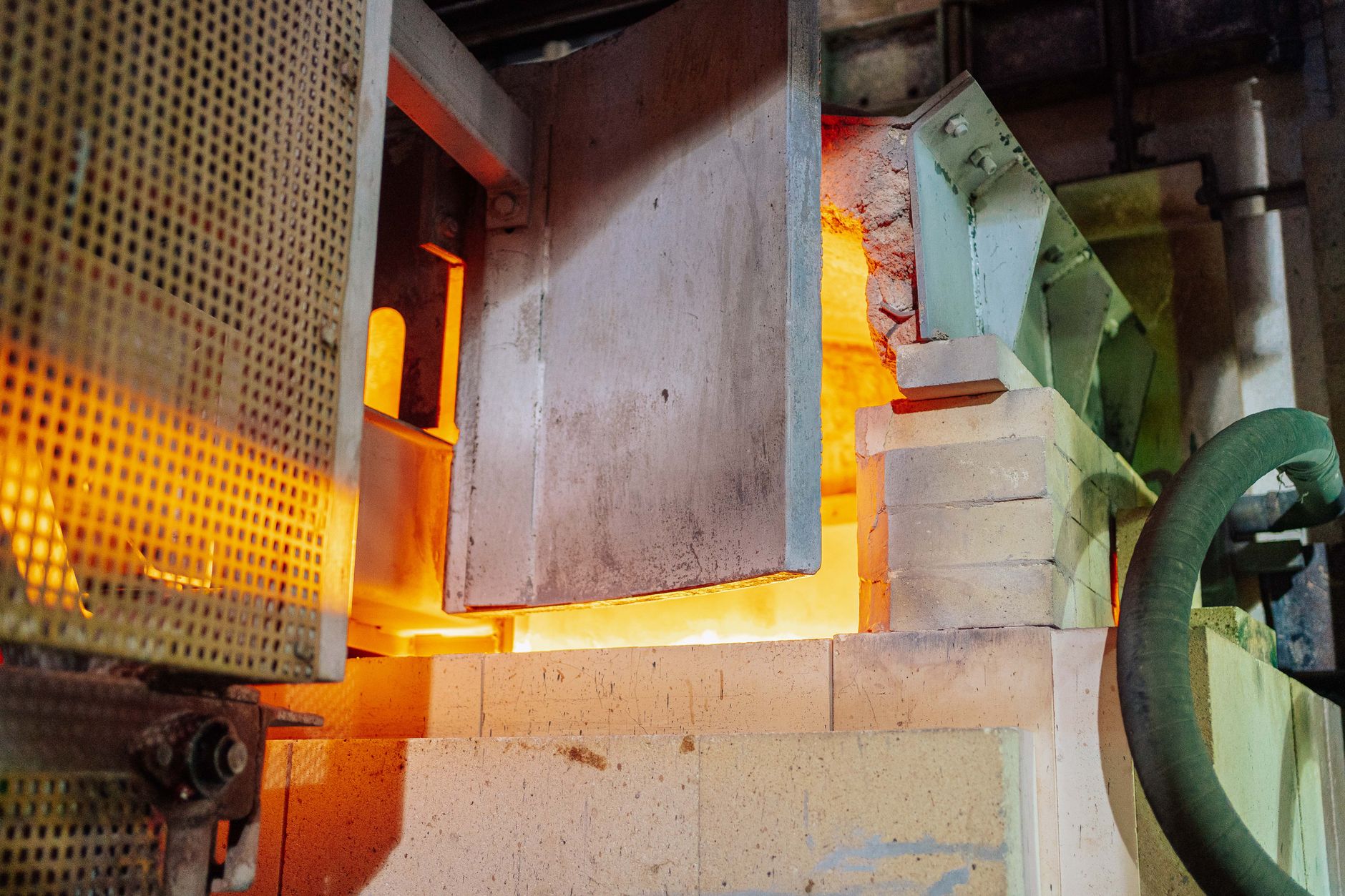
The Bessemer Converter
Henry Bessemer's 1856 process slashed the cost of steel, enabling railways, ships, bridges and skyscrapers on a scale never seen before.

E
The Penny Post
Introduced in 1840 with the Penny Black, it democratised letter writing and laid the foundations for the modern postal and communications age.
Drag the photo to reorder