🩺 Health🥇 Toplijst🗳 15 votes
Which everyday habit has done the most for your sleep quality? Rank them honestly.
Britons are getting less sleep than ever, with NHS surveys suggesting one in three adults regularly struggle to nod off. From cutting caffeine to ditching the phone, which habit genuinely makes a difference for you?
Put the items in your preferred order.
A
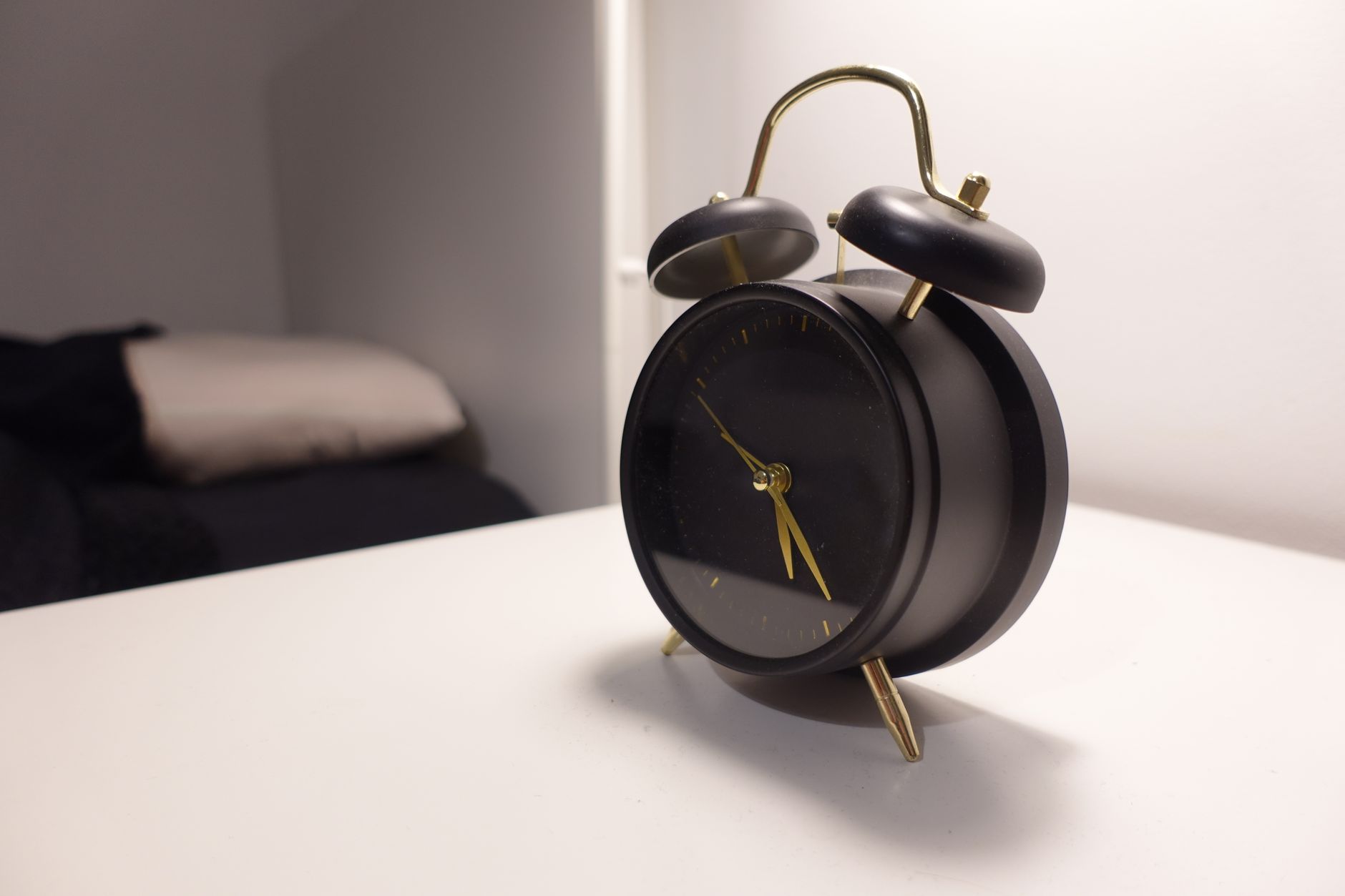
A consistent bedtime
Going to bed and waking at the same hour, even at weekends, helps regulate your circadian rhythm. Sleep scientists swear by it, though it does mean abandoning the 1am Netflix binge.

B
No screens before bed
Blue light and endless doomscrolling keep the brain wired well past bedtime. Swapping the phone for a paperback an hour before lights-out is a classic for a reason.

C
Cutting caffeine after midday
Caffeine has a half-life of around six hours, meaning that afternoon brew is still in your system at bedtime. A tough ask in a tea-loving nation, but undeniably effective.
D
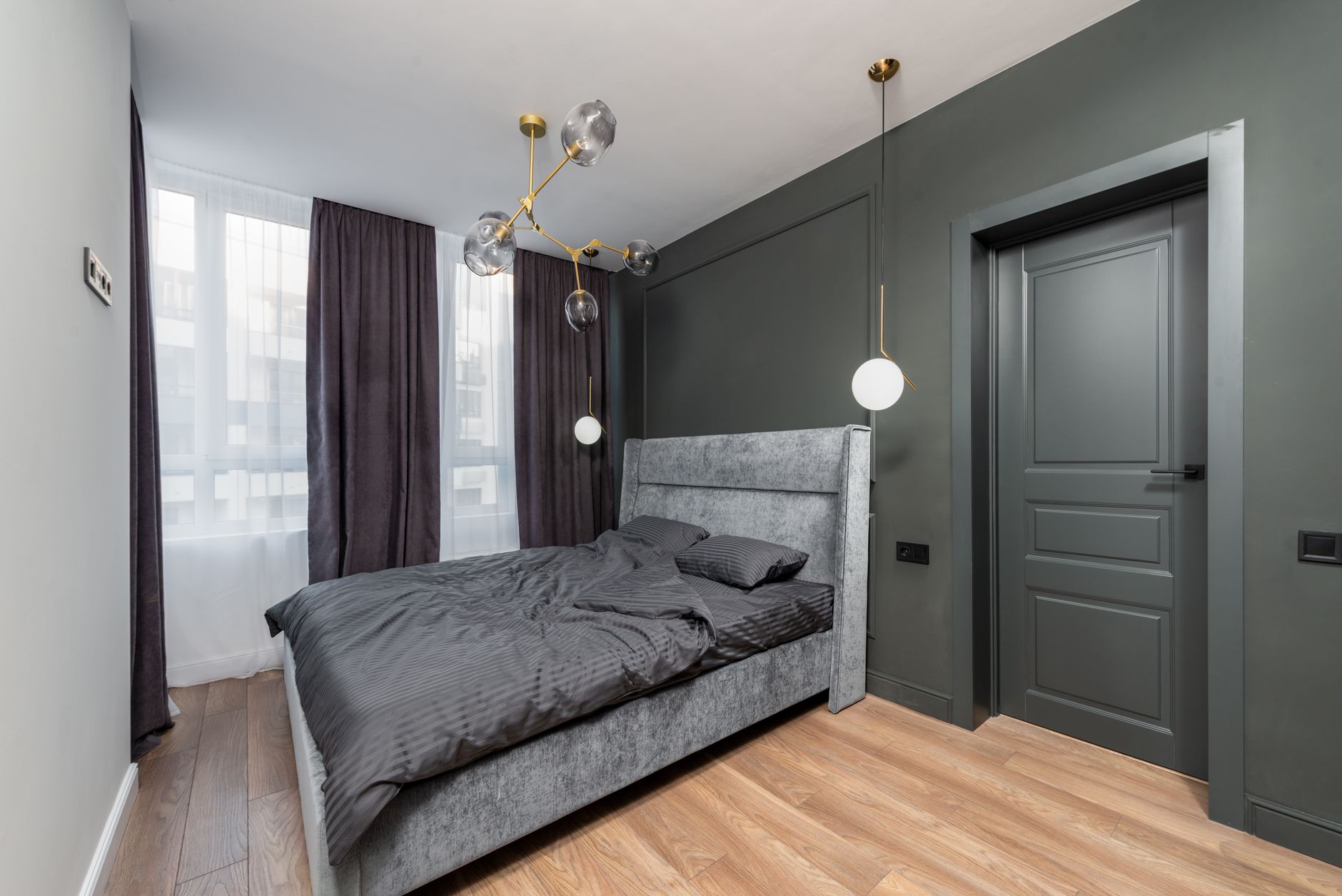
A cool, dark bedroom
The body sleeps best at around 17°C in pitch darkness. Blackout curtains and a cracked window can transform a restless room into a proper sleep sanctuary.

E
Daily exercise (just not too late)
Regular movement, whether a brisk walk or a gym session, deepens sleep and shortens the time it takes to drift off. Just avoid a hard workout right before bed.
Drag the photo to reorder