📜 History🥇 Toplijst🗳 18 votes
Which forgotten British trade would you most want to see revived today?
Britain's economy was once built on skilled crafts and industries that have all but vanished. Some faded with progress, others with policy — but which deserves a second life?
Put the items in your preferred order.

A
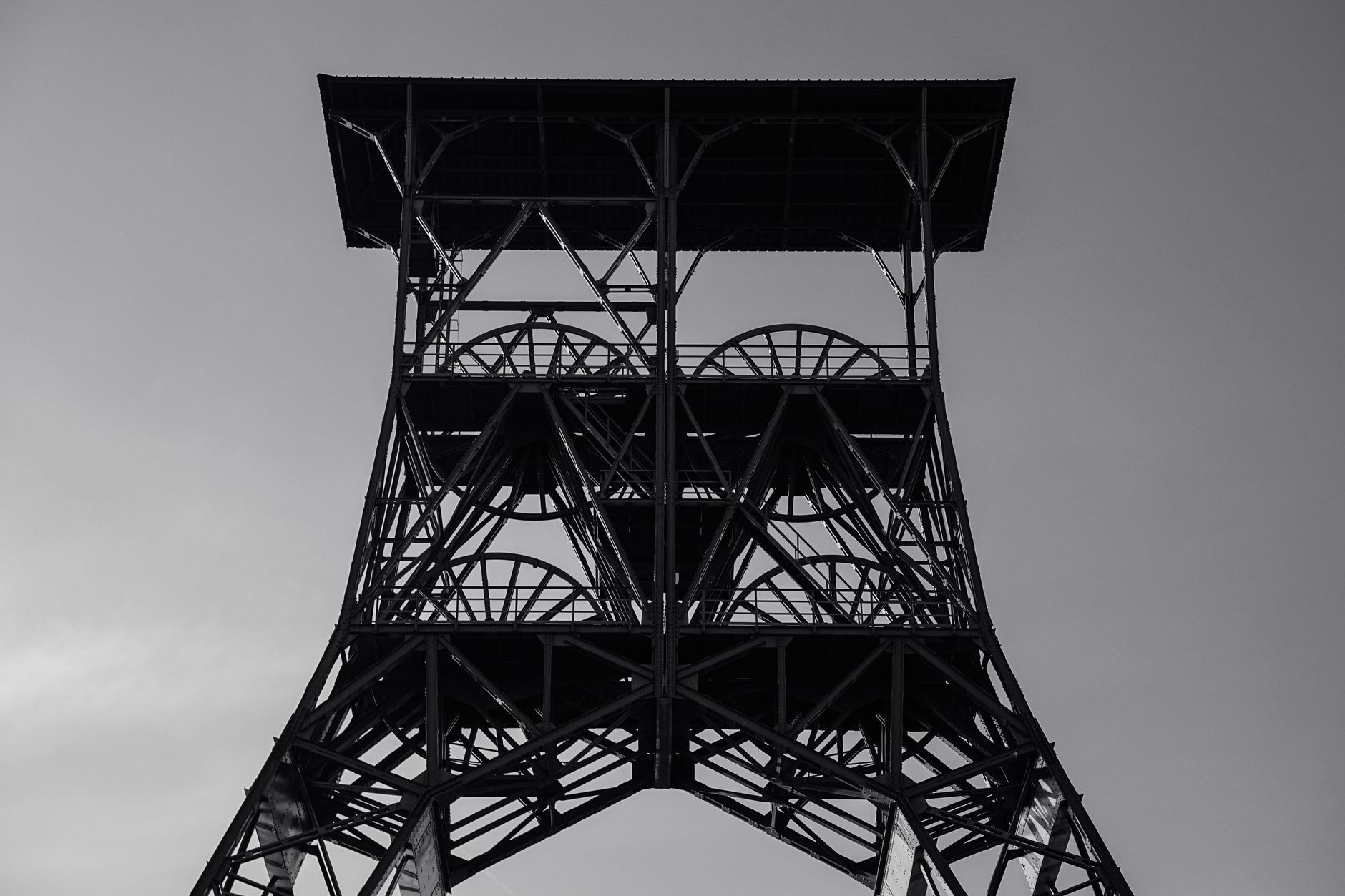
Coal Mining
Once employing over a million people across South Wales, Yorkshire and the North East, mining shaped entire communities before the pits closed in the 1980s and 90s.
B
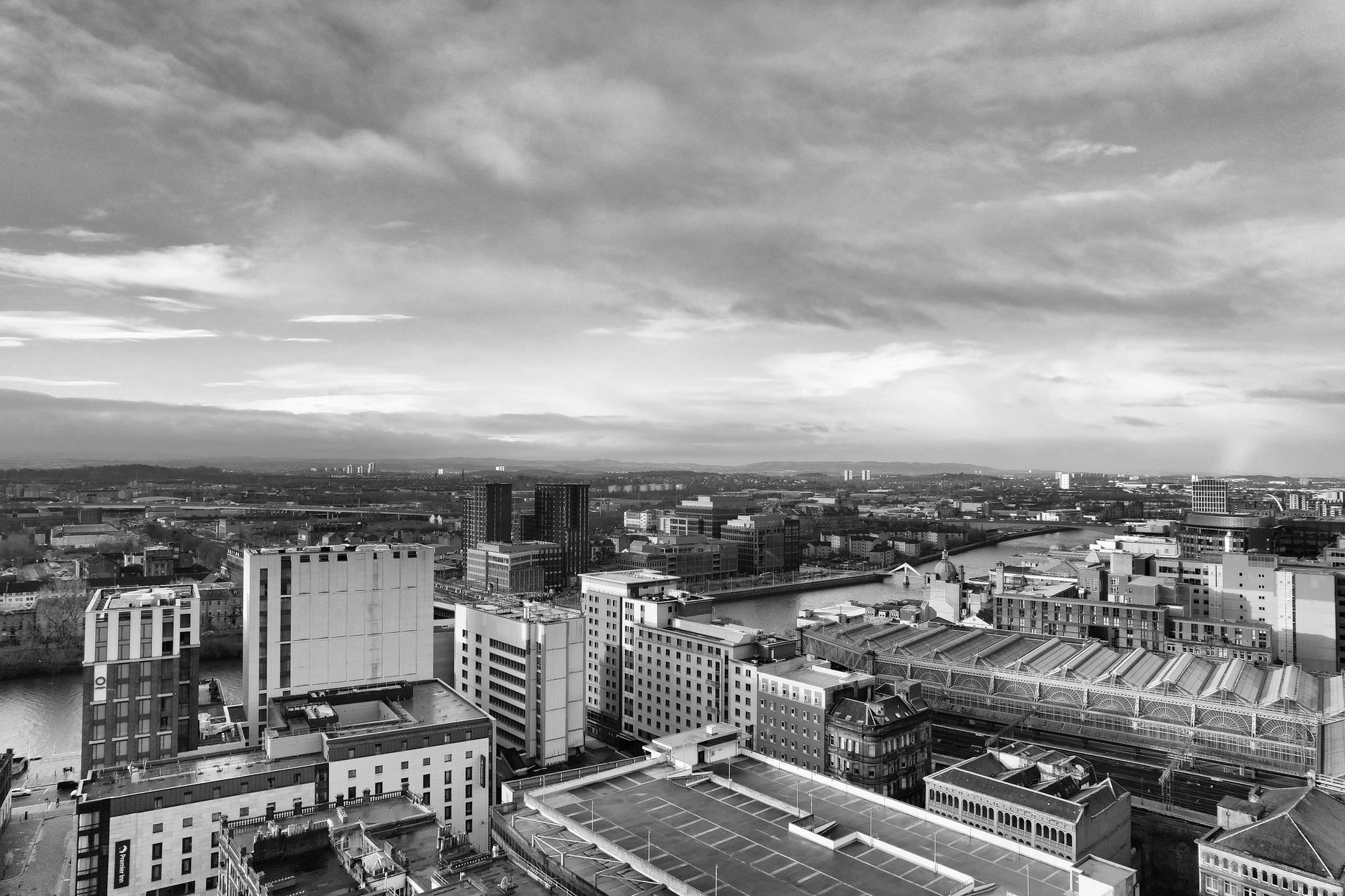
Shipbuilding on the Clyde
At its peak, Clydeside launched a fifth of the world's ships. The yards defined Scottish identity before global competition emptied the slipways.

C
Cotton Milling in Lancashire
Manchester's mills clothed the empire and drew workers from across Britain. The chimneys have long since fallen silent, but the mill towns remain.
D
Cornish Tin Mining
Cornwall's tin trade stretched back millennia and once supplied half the world. The last working mine closed in 1998, leaving engine houses dotting the coast.
E
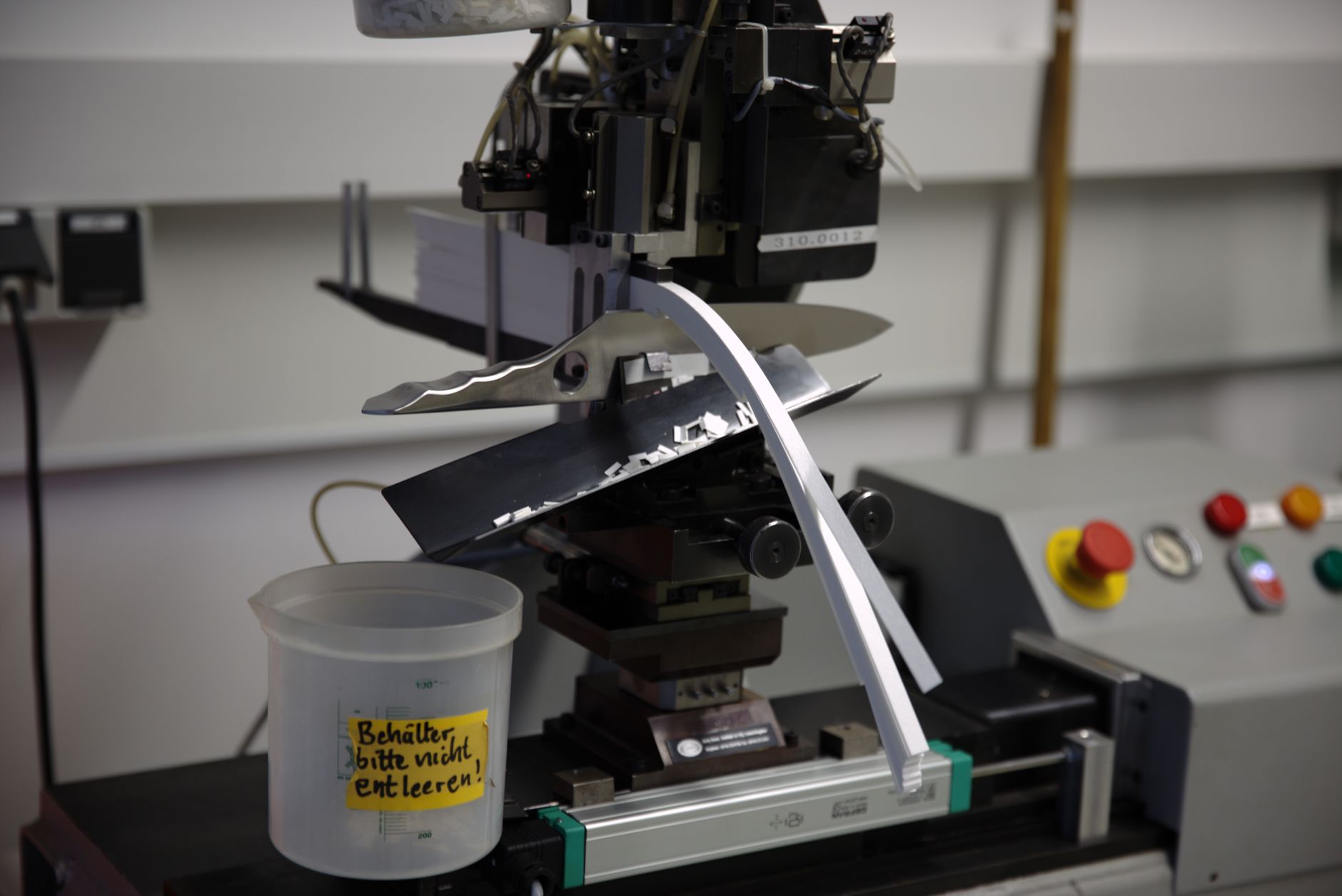
Sheffield Steel and Cutlery
Sheffield's steelworkers produced blades and cutlery prized across the globe. The industry has shrunk dramatically, though a few craftsmen still keep the tradition alive.
Drag the photo to reorder