
⚖️ Ethics🥇 Toplijst🗳 16 votes
Which form of civil disobedience is most morally justified? Rank them from most to least defensible.
From suffragettes chaining themselves to railings to Extinction Rebellion blocking the M25, Britain has a long history of people breaking rules in the name of a greater good. But not all forms of protest sit equally comfortably with our conscience.
Put the items in your preferred order.

A
Peaceful Occupation
Disrupting normal life without violence to force an issue into public consciousness — as seen with Occupy London outside St Paul's Cathedral. It causes inconvenience but stops short of destruction.

B
Destroying Harmful Property
The pulling down of Edward Colston's statue in Bristol in 2020 reignited the debate about whether destroying property tied to historical wrongdoing can ever be morally legitimate. Many cheered; others called it lawlessness.

C
Tax Refusal
From the Poll Tax rebellion of the early 1990s to conscientious objectors refusing to fund military spending, refusing to pay tax is a deeply personal act of moral defiance with serious legal consequences.

D
Leaking Classified Information
When insiders expose state secrets or corporate misconduct — think GCHQ whistleblowers or NHS data scandals — they break the law but may serve a profound public interest. Hero or traitor often depends on whose side you're on.
E
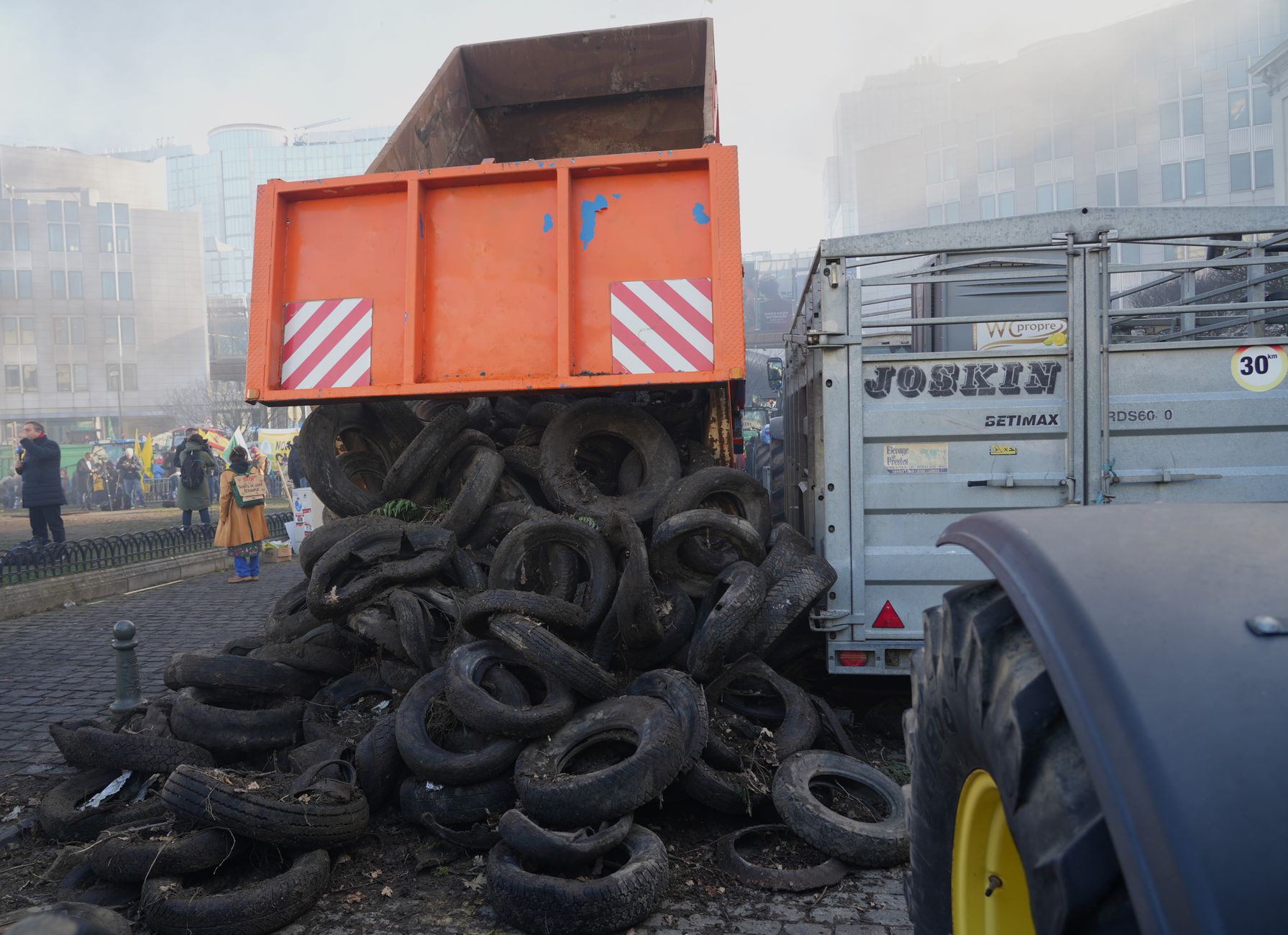
Road and Infrastructure Blockades
Just Stop Oil's M25 blockades brought climate change to the front pages but also stranded ambulances and furious commuters. It raises a genuine question: does the urgency of a cause justify endangering others?
Drag the photo to reorder


